

Raising Karter: A Mother's Journey Navigating Sickle Cell Disease, Support and Resilience
Chrystal refuses to let sickle cell disease define her son.
"Whenever Karter feels down about being different than other kids his age, I tell him he's special and uniquely made," Chrystal says.
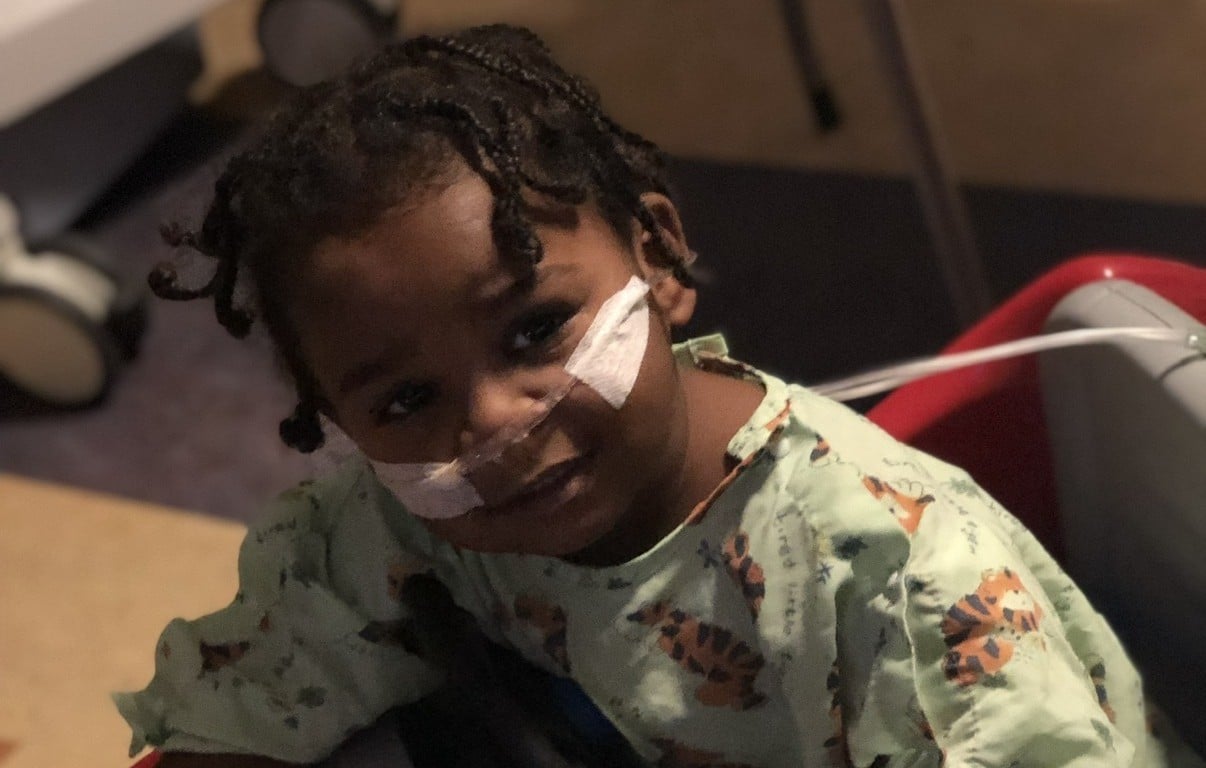
That strength was forged early on, shortly after Karter's birth. A routine newborn screening revealed that Karter had sickle cell disease, an inherited blood disorder in which red blood cells become rigid and sickle-shaped. This blocks blood flow and causes pain, organ damage and other potentially life-threatening complications.
Chrystal was shocked.
"It was challenging at first," Chrystal says. "I had to learn to distinguish between typical newborn issues and the times when he might be in crisis because of sickle cell."
That's where Children's National Hospital came in. When Karter was 6 months old, Chrystal brought him to the Emergency Department for a high fever. From the beginning, she noticed an extraordinary level of care.
"It was very different from your standard emergency room. Everything was explained to us in detail — what needed to happen, what would happen and why," Chrystal says.
In the Washington, D.C., region, Children's National cares for nearly 1,400 children each year through one of the nation's largest and most innovative pediatric sickle cell disease programs.
The team has been there for Karter every step of the way. He is now part of the Sickle Cell Integrative Health Program and receives wraparound care, including acupuncture for pain management, mental health support, and strategies to cope, improve attention and manage stress. The program also provides a food delivery service that brings fresh fruits and vegetables to families.
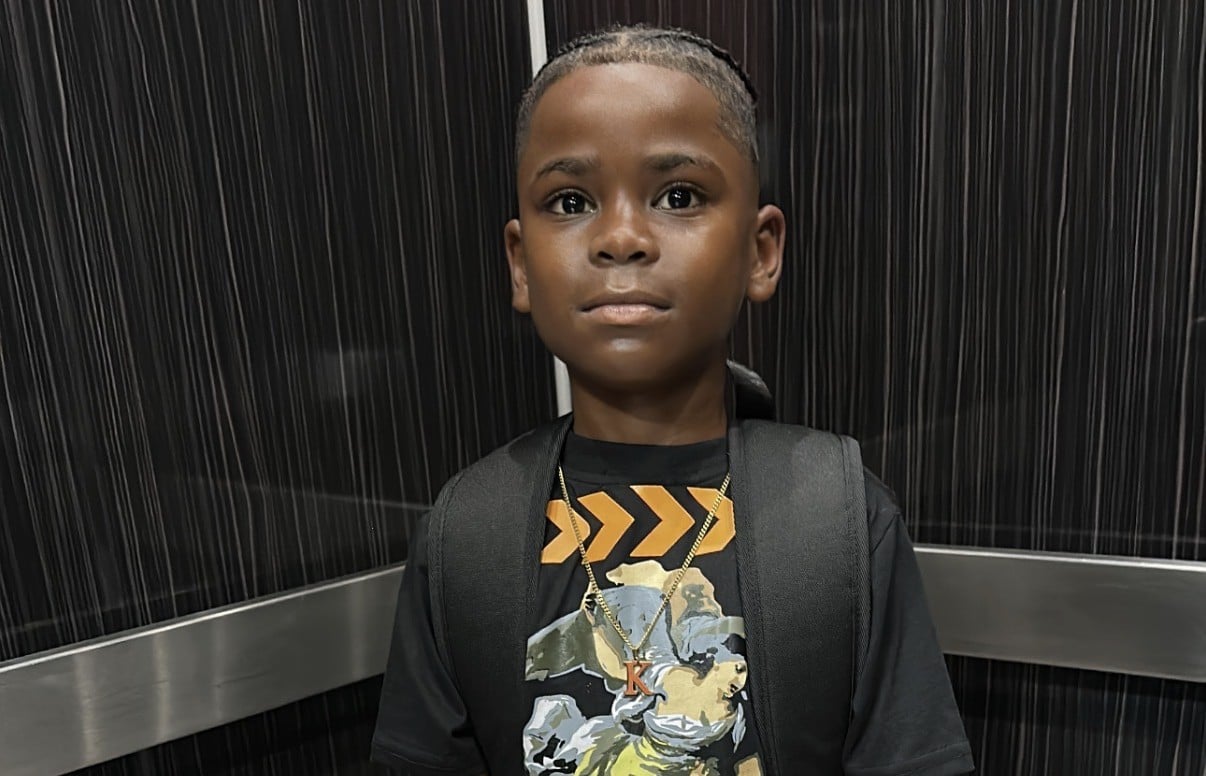
"They support Karter's health and well-being in so many ways," Chrystal says. "When he was too sick to attend a hospital movie night, the team brought snacks and goodie bags to his room so he could still feel included. They continue to amaze me."
The impact of sickle cell reaches beyond the hospital and into the classroom.
"One of the hardest parts of raising a child with sickle cell disease has been navigating school. Karter missed days because of pain crises, hospital stays or fatigue," Chrystal says. "A strong school plan, support and advocacy are essential. When teachers understand your child’s condition and the necessary accommodations, it can make all the difference academically and emotionally."
Chrystal says one of the greatest gifts she has received from Children's National is the wealth of knowledge. After Karter’s diagnosis, she frequently took him to the Emergency Department. With guidance from his team, she learned to manage his disease at home and recognize when urgent care was needed, which gave her more confidence.
"If we could build a little house on campus, we would. They have so much patience with us and have built a lot of trust with Karter," Chrystal says. "He loves coming to his appointments and chatting with the team. Sometimes he doesn't want to leave. It feels like home now. We're not going anywhere except 111 Michigan Avenue."
Karter's Care Team Departments


Be the Reason a Child Smiles
Every day at Children’s National, lives are changed through compassionate care and groundbreaking discoveries. Your charitable donation helps us deliver expert treatment and hope to thousands of children and families.
Meet the patients whose stories inspire us—and see the difference your support makes.