

Lifesaving Research for Mikaela
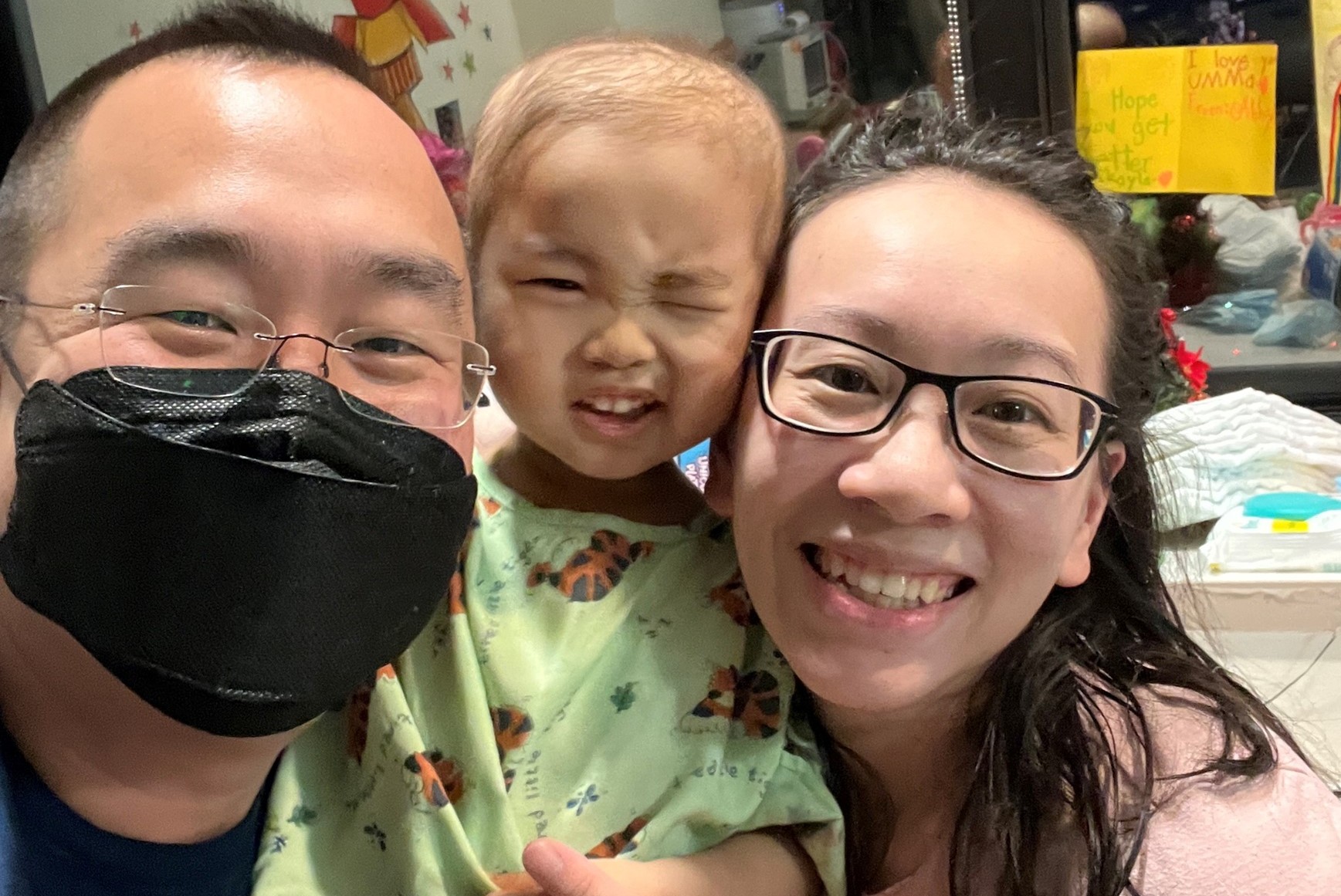
Mikeala's parents cheered when she took her first steps at 11 months. Then, around her 2nd birthday, the toddler insisted on being carried so often that they grew worried. Bruises surfaced on her legs. What they hoped was a normal regression turned out to be far more serious: the first sign of a rare blood disorder that evolved into an aggressive form of leukemia.
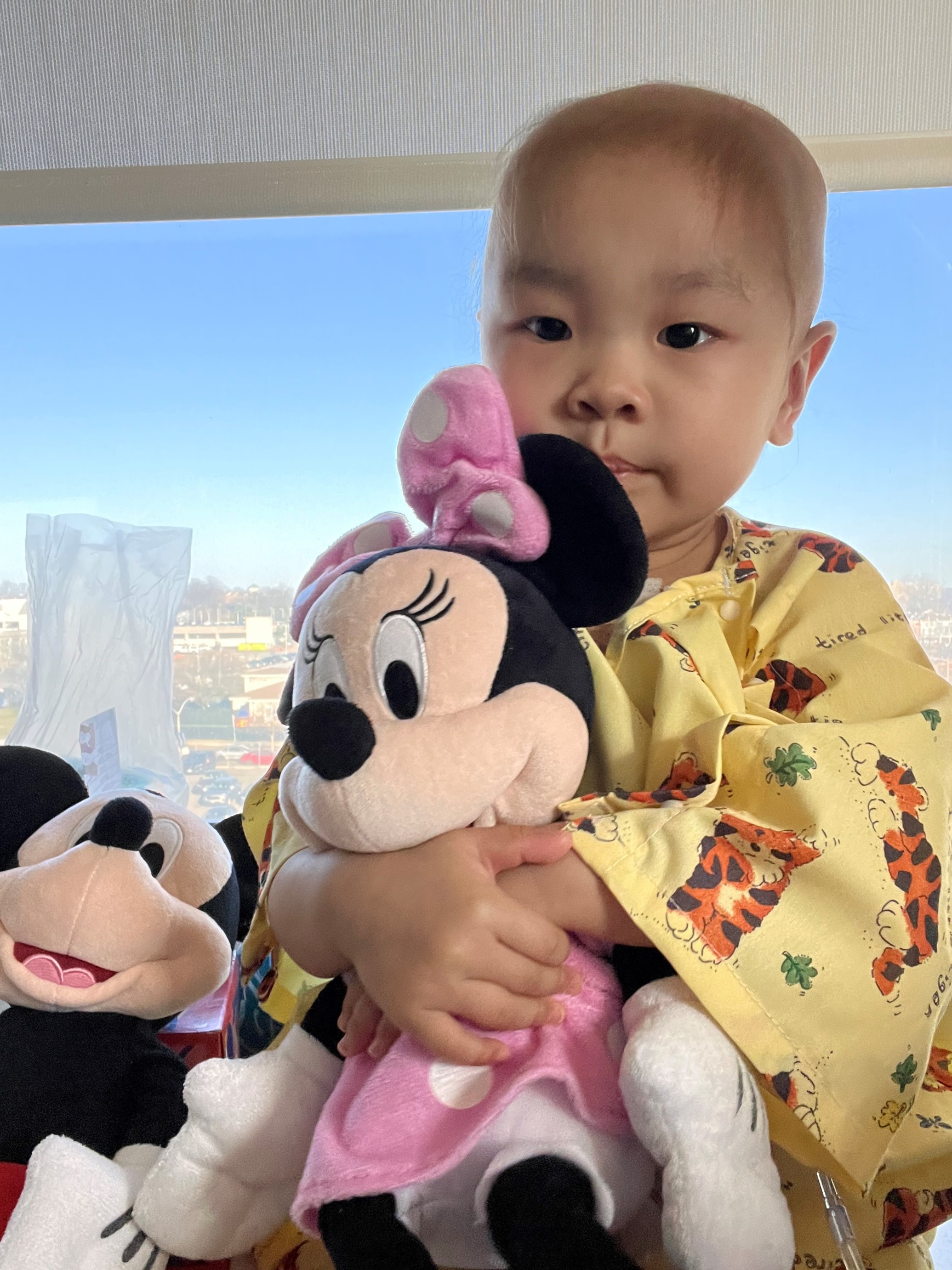
For weeks, Mikaela lived at Children's National Hospital, dressing up in hospital gowns, navigating a tangle of IV lines and keeping her beloved Minnie Mouse toys close by.
Today, Mikaela is an energetic preschooler following treatment with a pioneering T-cell therapy. With her siblings by her side ― including her older brother, her bone marrow donor ― she returned to the hospital just before her 4th birthday to ring the end-of-treatment bell signaling she is cancer-free.
It was a celebration to remember.
Behind Mikaela's recovery is a story of extraordinary science, courage and hope. First, she received chemotherapy, the standard of care for children with leukemia. To boost the odds of achieving long-term remission, her parents turned to a cutting-edge clinical trial at the Center for Cancer and Immunology Research (CCIR) at Children's National.
The trial is called RESOLVE, short for a name that reflects its complex, targeted approach: Research of Expanded Multi-antigen Specifically Oriented Lymphocytes for the Treatment of Very High-Risk Hematopoietic Malignancies. By engineering donor immune cells to find and destroy hidden cancer cells, this promising strategy aims to prevent relapse in children with more severe forms of leukemia.
Participating in a clinical trial requires bravery ― from patients and their parents. When the opportunity arose, Mikaela's family leaned in. Her father, Jon, had a background in science as a chemistry major who had interned in an immunology lab. He and his wife, Carmen, weighed the science and understood the risks. Ultimately, two of their three children ― Mikaela and her older brother, Nathaneal ― joined the trial as patient and donor.
"Participating in the RESOLVE trial made us feel like we had the power to do something to make her better," Jon says. "It also meant Mikaela and Nathaneal could help others struggling with this disease to have hope and suffer less."
Testing, Tweaking and Trying Again
The creation of a new, effective treatment for patients like Mikaela requires years, sometimes decades, of painstaking research. Physician-scientists spend countless hours applying for funding to support their ideas. Once they receive it, they work to ensure reliability and safety. Small teams of investigators repeatedly run experiments to test and validate their results.
To advance cancer research, healthy individuals provide blood, sometimes as many as 36 vials in a sitting. One of these blood donors is Catherine Bollard, MD, MB ChB, the Dr. Robert J. and Florence T. Bosworth Distinguished Professor of Cancer and Transplantation Biology Research at Children's National. As chief research officer and CCIR director, Dr. Bollard believes in the work so deeply that she regularly rolls up her sleeves to donate her own immune system for research.
After losing a dear friend in high school to a relapsed cancer, Dr. Bollard gave up a promising opera career to pursue a cure. She speaks often about how some types of cancers have been stuck on the same treatment regimen for 30 years: chemotherapy, radiation and surgery. Each of these treatments can leave lasting impacts on a young body that may surface years after remission, including effects on growth, organ function, learning, fertility and emotional health.
"Every year, about 15,000 young people in the United States hear, 'You have cancer,'" Dr. Bollard says. "They all deserve options that will eliminate their disease and preserve their quality of life."
Bold Ambitions for Tiny Cells
Dr. Bollard's team is developing treatments that attack disease at its source ― the cellular level ― with the goal of safe, lasting cures. Blood cancers and solid tumors, including brain tumors, are a key focus. CCIR investigators also lead the way internationally in developing new cellular therapies for children born with severely compromised immune systems and transplant patients who require immune suppressing drugs.
At the heart of their mission are new treatments that harness the body's immune responses and deliver medicine tailored to each patient’s unique needs. This may mean targeting a brain tumor or boosting an immunocompromised patient's ability to fight off infections such as norovirus.
In the RESOLVE trial, Dr. Bollard's team collects immune cells and key blood components from a healthy bone marrow donor and isolates the donor's tumor killing T cells in the laboratory. Then, they strengthen the T cell's ability to target cancer cells.
"We train the T cells to be even more potent," Dr. Bollard says. "After a transplant, we give those boosted T cells back to patients like Mikaela. It's like giving her immune system a massive cancer-fighting upgrade. Through time and investigation, we hope to find that one dose should provide Mikaela and others like her with lifelong immunity against cancer."
Answers Through Innovation
As the RESOLVE trial was enrolling new patients, Mikeala's family kept hearing increasingly difficult news. Labs showed a serious blood disorder called myelodysplastic syndrome (MDS). Even more devastating, the MDS soon progressed into acute myeloid leukemia, a far more aggressive and life-threatening disease. "Hearing that your child has cancer is crushing," Jon says. "She's so young. Was it genetic? All we could think about and wonder was, 'Would she walk again? Would she live?'" Mikaela's oncologist, Keri Toner, MD, and oncology fellow Jennifer Wang, MD, oversaw her care during two successful rounds of chemotherapy. But Dr. Toner knew that Mikaela's cunning version of leukemia carried a high risk of recurrence, which would demand harsh therapies that could impose a far greater toll.
Dr. Toner believed enrolling Mikaela in the RESOLVE trial ― designed for patients with particularly significant risk ― would offer additional reassurance by reducing the likelihood of relapse. The approach reflects the team’s commitment to translating research into patient care. Although the ongoing trial remains small, initial published results showed an 89% survival rate for patients after one year, with minimal side effects.
"At Children's National, we are moving thoughtfully between discovery and delivery of treatments," Dr. Toner says. "It's wonderful to be able to offer novel treatment options to our patients." To qualify, Mikaela would need a donor for a bone marrow transplant. Genetic testing confirmed that her older siblings, Nathanael and Abby, were both matches. At age 10, Nathanael volunteered for the surgical procedure. He donated not only his bone marrow for Mikaela's transplant, but also his blood, which allowed researchers to manufacture the leukemia-killing T-cell therapy for the RESOLVE trial.
"I know the research world. It helped our decision-making and our understanding of what was going on," says Jon, who tapped into his scientific background from the University of Maryland, Baltimore. "I was familiar with the benefits and the rewards that can happen. For us, the rewards of this research far outweighed the risks."
The Sound of Hope
In June 2024, Mikaela officially started the RESOLVE trial. She had received her bone marrow transplant after being treated with chemotherapy to prepare her body to accept her brother's healthy bone marrow stem cells. Scientists then fine tuned a specialized T-cell therapy using Nathanael’s blood cells at a highly specialized lab at Children's National — the only one of its kind in the mid-Atlantic region able to manufacture these novel cell-based drugs.
Mikaela's care team administered the T-cell treatment in a single infusion, and it has kept her cancer at bay for more than a year.
When she rang the victory bell to celebrate being cancer-free last August, the team surrounded Mikaela to honor her bravery and her family's strength. With a glowing magic wand in her hand, Mikaela walked through the oncology unit ― wide-eyed, steady and needing no one to carry her. Providers waved pom-poms, and cheers filled the corridor.
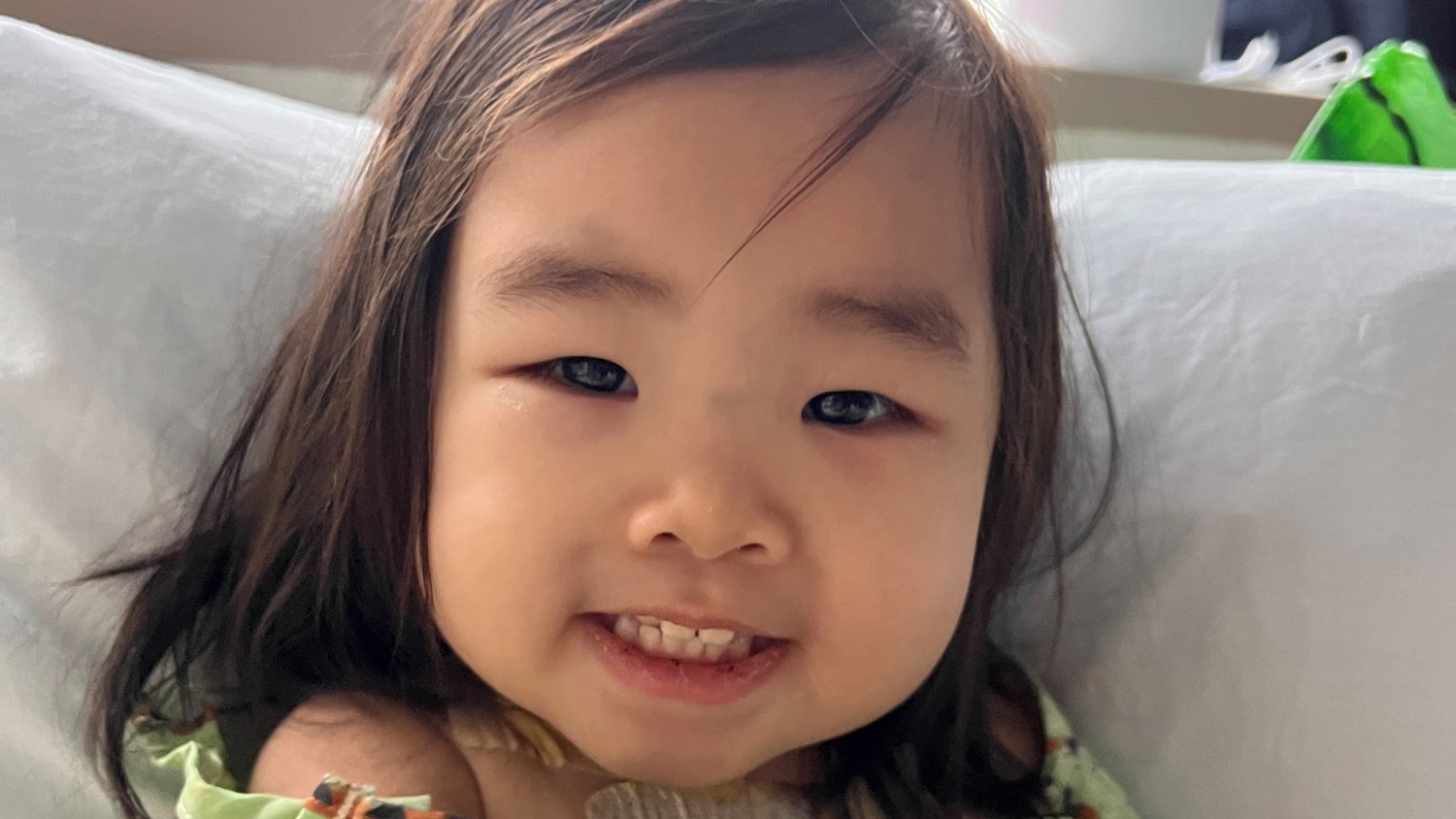
Today, Mikaela has check-ups with her oncology team, though less often now. She gets to sing, dance and be a healthy kid again.
For researchers like Dr. Bollard, a child ringing the bell is the sweetest sound of all. "It carries notes of hope, healing and scientific triumph," she says. "It reminds us why we pursue this research — to turn breakthroughs in the lab into moments like this. To my operatic ear, it's more powerful than Puccini."
Mikaela's Care Team Departments
Mikaela's Care Team
This is a carousel. Use Next and Previous buttons to navigate.
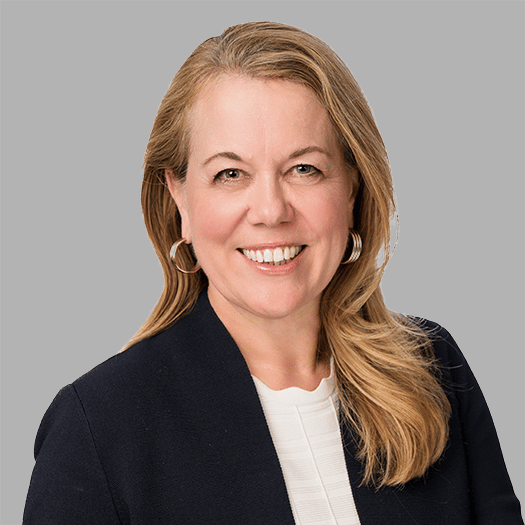
- Director, Center for Cancer and Immunology
- Senior Vice President and Chief Research Officer, Children's National
Catherine Mary Bollard, MD, MB ChB
Locations
Departments
Keri Nicole Toner, MD
Locations
Departments


Be the Reason a Child Smiles
Every day at Children’s National, lives are changed through compassionate care and groundbreaking discoveries. Your charitable donation helps us deliver expert treatment and hope to thousands of children and families.
Meet the patients whose stories inspire us—and see the difference your support makes.