

Callan's Story
Breaking Callan's cycle of Hirschsprung disease symptoms once and for all
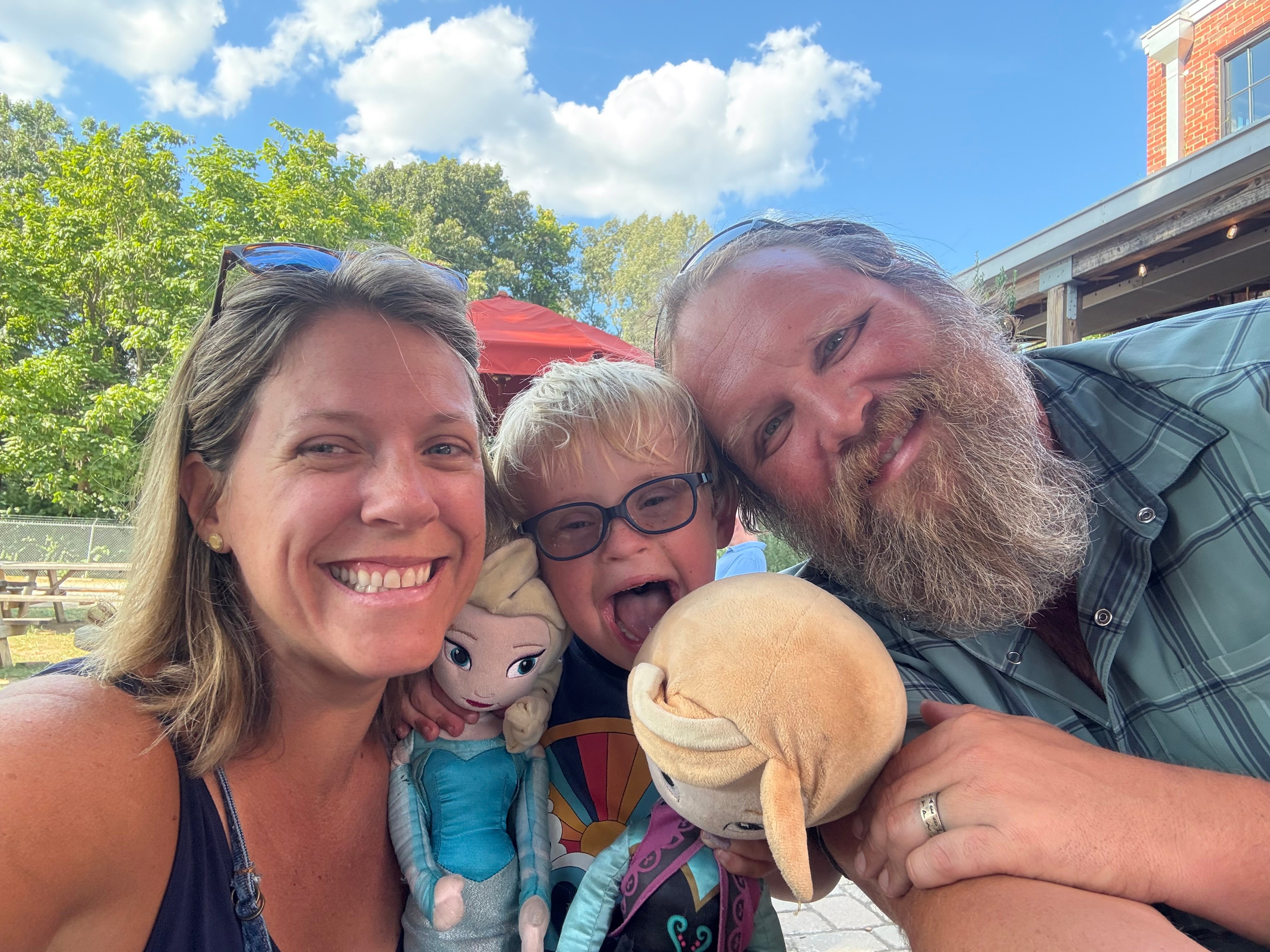
Callan and his family were trapped in a life-limiting and painful cycle from the time he was 18 months old until he was 5.
"It was two steps forward, then three steps back," Callan’s mom Courtney remembers.
Callan was diagnosed with Down syndrome before he was born, and his parents were prepared to give him any extra medical care and support he needed. But a few days after being born he was also unexpectedly diagnosed with Hirschsprung disease, a condition where the nerves in the intestine haven't formed properly. He had a surgery called the pull-through at 9 days old to give him a better chance for regular, non-painful bowel movements. It was successful at first. A year and a half later, things started going downhill.
His doctors started trying other treatments to bring him relief from bloating, chronic constipation and uncomfortable bowel movements but nothing lasted. A month or two of feeling better always led to a setback. "I think he probably had mostly bad days and days we thought were good were just better (relatively)," Courtney says. The family lovingly called him the family's "little curmudgeon," who grunted and groaned to communicate and flopped on the couch with no energy.
Courtney's job as an emergency medicine doctor helped her deliver an extra level of medical care and treatment to Callan at home to avoid some hospital visits, but even she could only do so much to ease his pain. She and her husband wondered if there was something they could do to break the cycle. "We were open to anything that gave him a better quality of life," she remembers.
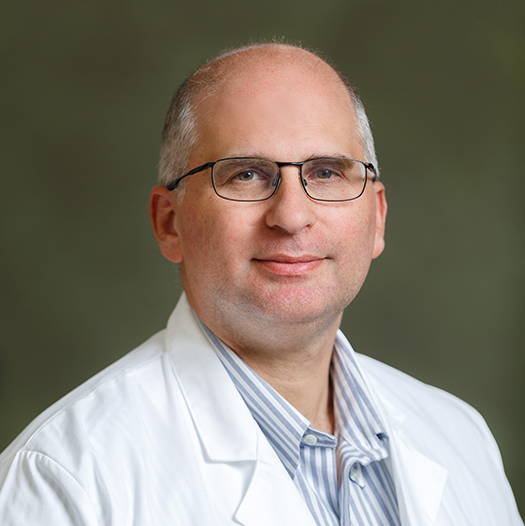
They were introduced to Marc Levitt, MD, chief of Pediatric Colorectal and Pelvic Reconstruction at Children's National Hospital by their care team in North Carolina. Finally, after a 10-day trip to Washington, D.C., everything changed.
Dr. Levitt's team sees more kids with conditions like Hirschsprung than anyone else, including most of the cases that are rare and hard-to-treat. Their wealth of experience with kids like Callan helped them quickly figure out that he had redeveloped a transition zone in his intestine, an unusual complication. They worked with his family to make a surgical plan for the same week.
As a doctor herself, Courtney was impressed by the seamless process from admission through imaging, surgery and care after the operation. She was also amazed by Dr. Levitt's experience and technical skill – he removed 12 inches of non-working intestine without making any incisions in Callan's stomach area. Without the extra incisions, Callan was able to recover quickly and was discharged from the hospital a day and a half after surgery.
The real surprise for the family came a few months later, when it became clear that the usual cycle of temporary relief followed by a setback was finally behind them.
"We've been able to settle in and see that this may be a turning point in his story," Courtney says.
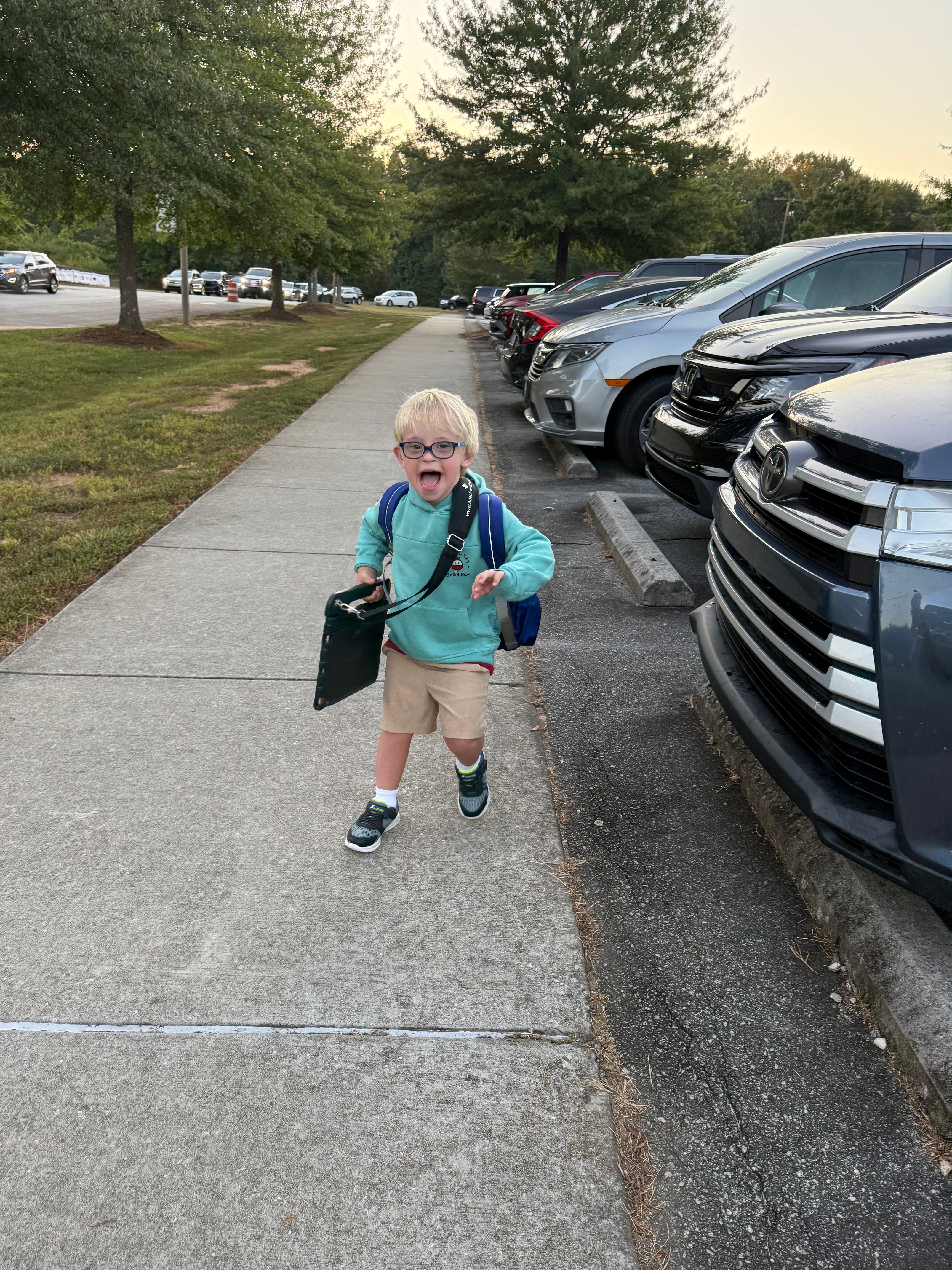
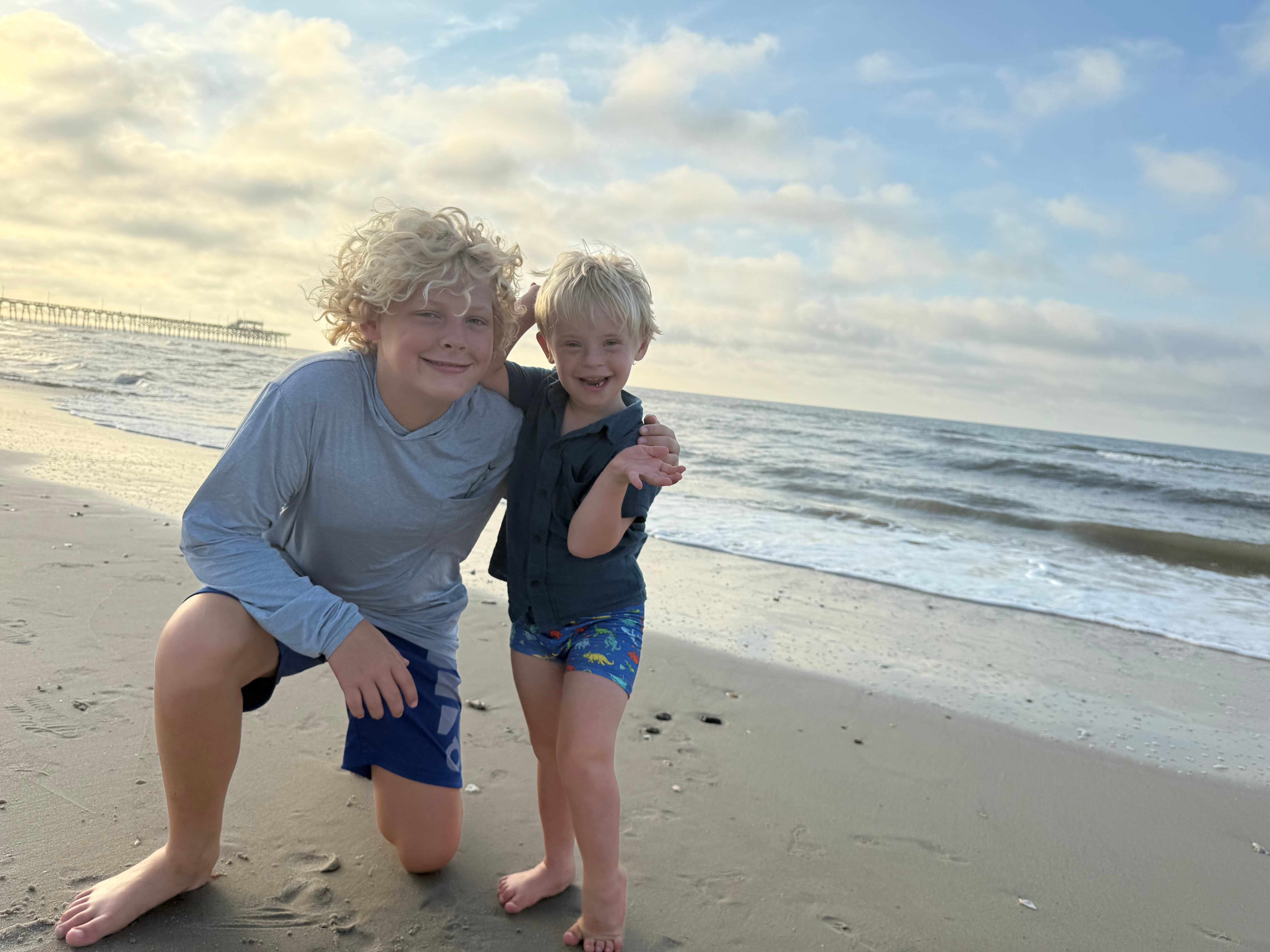
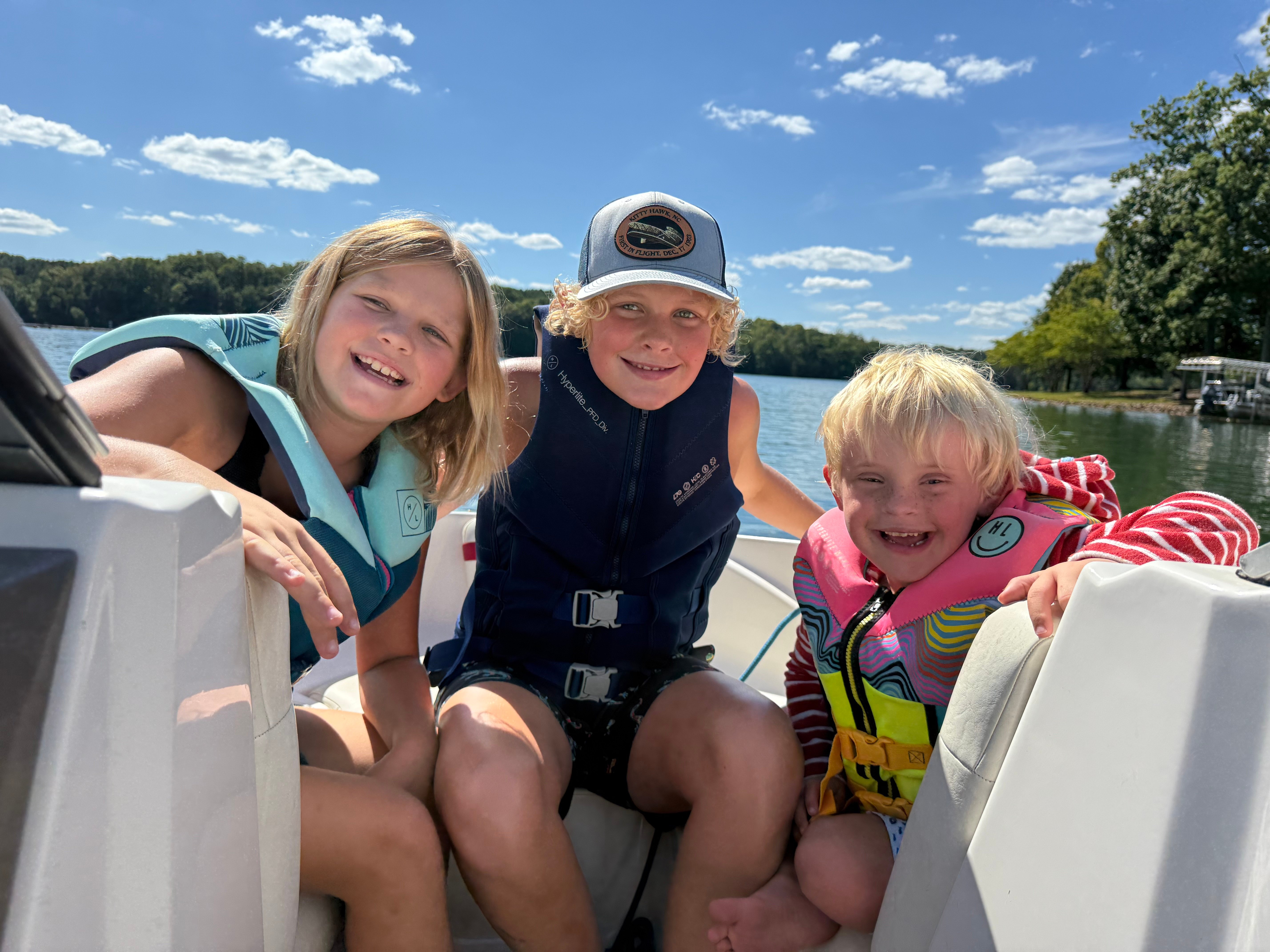
Over the summer, Callan learned to swim, can jump into the pool and loves to play at the trampoline park. He started kindergarten this fall in a mainstream class and is thriving. Courtney, her husband and Callan’s older siblings love watching him enjoy things more than he ever has before.
She has one message for Dr. Levitt and his team at Children’s National: “Thank you for giving Callan a new and better daily life. He’s soaring!”
Callan's Care Team Departments
Care Team
Marc Levitt, MD
Locations
Departments


Be the Reason a Child Smiles
Every day at Children’s National, lives are changed through compassionate care and groundbreaking discoveries. Your charitable donation helps us deliver expert treatment and hope to thousands of children and families.
Meet the patients whose stories inspire us—and see the difference your support makes.