

Helping Families Stay on Track
Unfamiliar prescription names. Multiple appointments. Information overload. A family whose child has a sudden diabetes diagnosis often experiences confusion and fear.
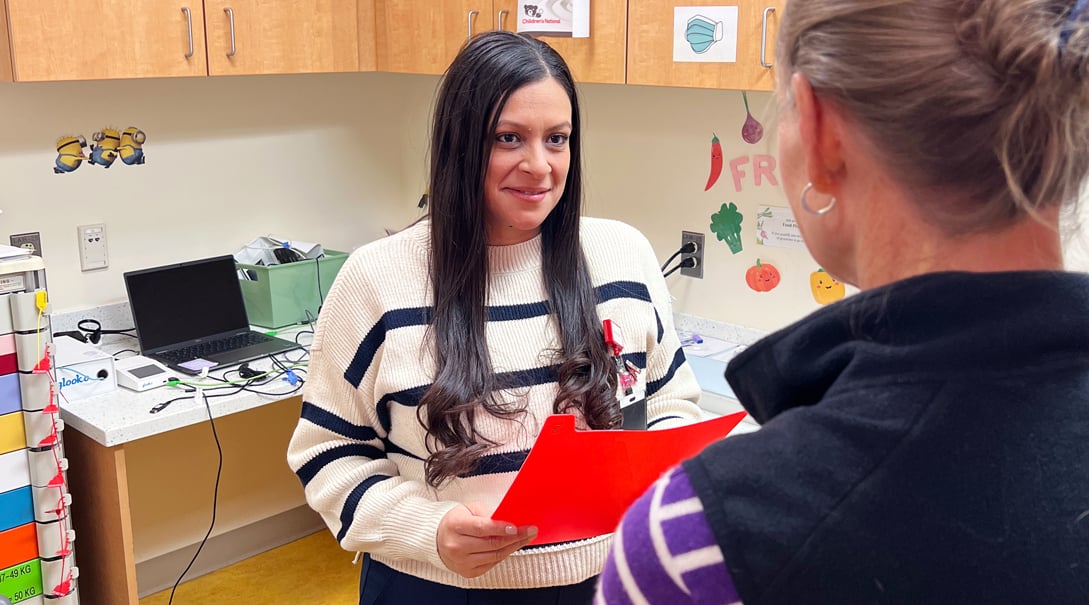
Roxy Velasquez, a health coach in our Division of Endocrinology and Diabetes, offers kindness and ongoing support for families in this situation. She helps families cope and keeps patients’ diabetes care on track by serving as a bridge to our multidisciplinary care team.
“Imagine everything is OK one day and suddenly you’re facing a shocking diagnosis,” says Velasquez. “It completely changes a family’s life.” She provides bilingual support in Spanish and English to help families navigate insurance and manage appointments and occasionally transportation. She connects them with mental healthcare and social workers. Sometimes it’s a three-way phone call to a pharmacy to make sure a family gets the right medicine or enough insulin pens.
This support is especially important, says Velasquez, for families without cellphones or those who don’t speak English. Helping to manage these details means fewer kids will get so sick that they need emergency care.
“When I speak to a mom or dad, I feel like maybe I’ve given them a little peace of mind,” she says. “It helps them to know they’re not alone. My job is all about making sure they’re OK.”
Velasquez’s position is supported entirely by philanthropy.
Roxy Velasquez, a health coach in our Division of Endocrinology and Diabetes, offers kindness and ongoing support for families in this situation. She helps families cope and keeps patients’ diabetes care on track by serving as a bridge to our multidisciplinary care team.
“Imagine everything is OK one day and suddenly you’re facing a shocking diagnosis,” says Velasquez. “It completely changes a family’s life.” She provides bilingual support in Spanish and English to help families navigate insurance and manage appointments and occasionally transportation. She connects them with mental healthcare and social workers. Sometimes it’s a three-way phone call to a pharmacy to make sure a family gets the right medicine or enough insulin pens.
This support is especially important, says Velasquez, for families without cellphones or those who don’t speak English. Helping to manage these details means fewer kids will get so sick that they need emergency care.
“When I speak to a mom or dad, I feel like maybe I’ve given them a little peace of mind,” she says. “It helps them to know they’re not alone. My job is all about making sure they’re OK.”
Velasquez’s position is supported entirely by philanthropy.

Make a Difference
Your charitable donation changes children’s lives. Support exceptional health care and discoveries that offer hope, healing and brighter futures.